THE CEREBRAL COLLECTIVE
Protect the mind that makes them possible.
Brain protection is the new anti-aging. The Cerebral Collective helps accomplished adults take control of their brain health - before symptoms appear. Whether you're battling migraines, struggling with brain fog or memory loss, or simply refusing to leave your cognitive future to chance, Dr. Swati Laroia Coon translates complex neuroscience into clear, actionable strategies you can start today.
Our Mission
At The Cerebral Collective, Dr. Swati Laroia Coon goes beyond standard neurology to find the root cause of what's holding your brain back - whether that's stroke risk, cognitive decline, debilitating migraines, persistent brain fog, or early memory loss.
Through physician-designed frameworks and personalized 1:1 coaching, we translate clinical neuroscience into strategies that protect your brain, restore your clarity, and build lasting resilience. Because real longevity begins with protecting the organ that powers your identity, independence, and legacy.

MEET YOUR GUIDE
Dr. Swati Laroia Coon
Every week in my practice, I encounter accomplished, intelligent adults who prioritize their careers, families, and physical health. Unfortunately, they often don't realize that brain protection is necessary long before any symptoms manifest.
They thought stroke was rare.
They assumed cognitive decline was inevitable.
They believed anti-aging meant skin care, not brain care.
But after treating thousands of patients as a vascular neurologist, I've seen the truth: most stroke risk builds silently, most cognitive decline begins decades before memory loss, and most of it is modifiable.
That's why I created The Cerebral Collective. Through strategic frameworks and personalized 1:1 coaching, I help you understand your risk, implement targeted changes, and build lifelong brain resilience.
Because longevity isn't about adding years alone. It's about protecting the quality of the years you earn.
Every week in my practice, I encounter accomplished, intelligent adults who prioritize their careers, families, and physical health. Unfortunately, they often don't realize that brain protection is necessary long before any symptoms manifest.
They thought stroke was rare.
They assumed cognitive decline was inevitable.
They believed anti-aging meant skin care, not brain care.
But after treating thousands of patients as a vascular neurologist, I've seen the truth:
Most stroke risk builds silently.
Most cognitive decline begins decades before memory loss.
And most of it is modifiable.
That's why I created The Cerebral Collective.
Because brain protection is the new anti-aging.
You can smooth wrinkles.
You can optimize muscle tone.
But nothing matters more than preserving the organ that controls your memory, your judgment, your independence, and your legacy.
The Cerebral Collective is a science-driven path for adults who refuse to leave their cognitive future to chance.
Through strategic PDF Frameworks and personalized 1:1 coaching, I help you understand your risk, implement targeted changes, and build lifelong brain resilience.
Because longevity isn’t about adding years alone.
It’s about protecting the quality of the years you earn.

Stay Informed. Stay Sharp
Science-backed brain health insights delivered straight to your inbox. No spam, no jargon — just strategies you can use.
Stay Informed. Stay Sharp
Science-backed brain health insights delivered straight to your inbox. No spam, no jargon — just strategies you can use.
Your Free Brain Health Resources
Created by Dr. Swati Laroia Coon, Vascular Neurologist
These free guides give you the same frameworks Dr. Swati Laroia Coon uses with her patients — translated into clear, actionable steps. No medical degree required. No jargon. Just evidence-based guidance you can actually use.
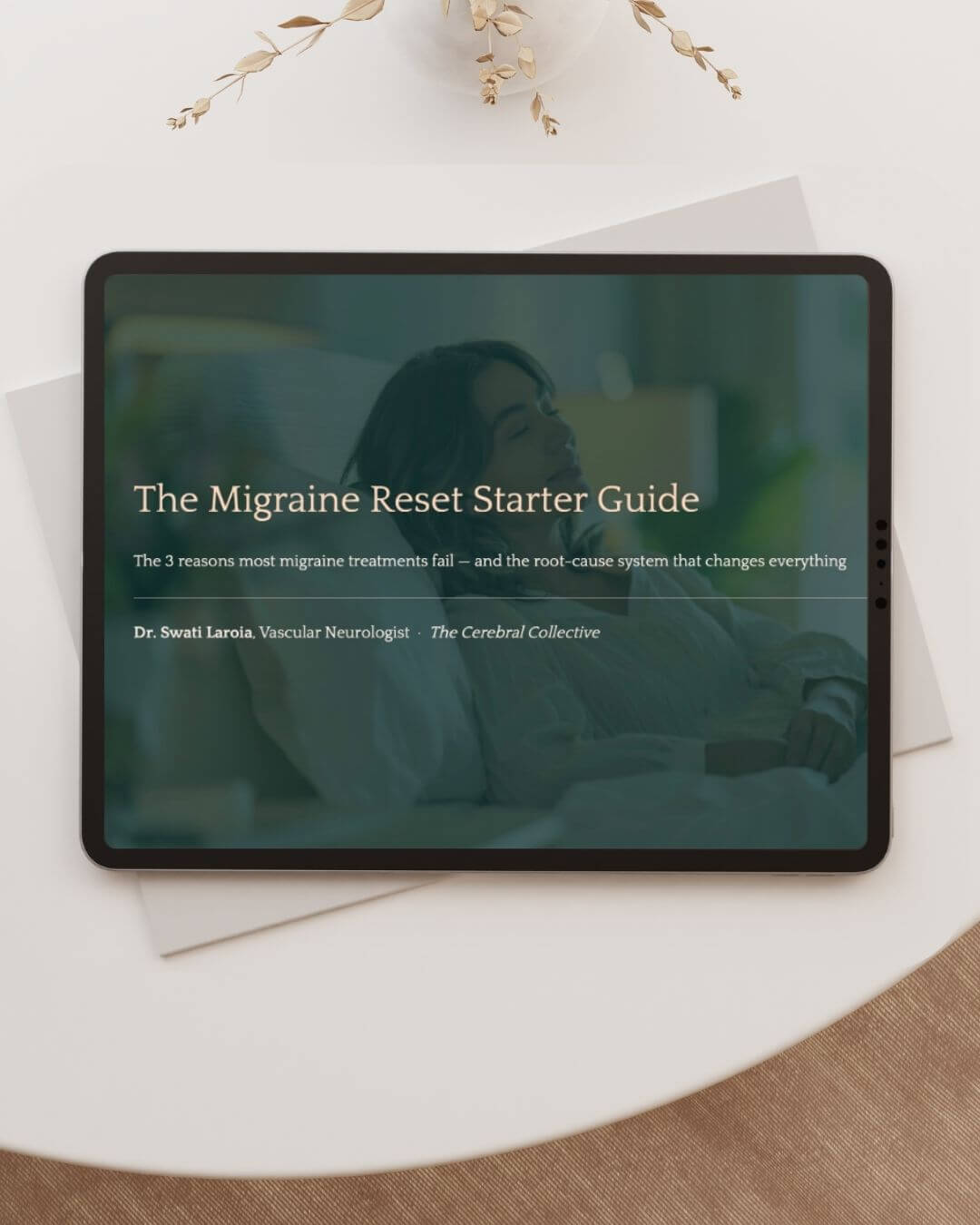
Migraine Reset Starter Guide
Why Standard Treatment Fails: Most migraine plans miss the root causes
The Three Trigger Categories: Hormonal, lifestyle, and metabolic patterns
The Migraine Reset Method: Dr. Swati's evidence-based approach
Your First 7 Days: A clear action plan you can start immediately
No spam. Educational only. Takes under 10 minutes.
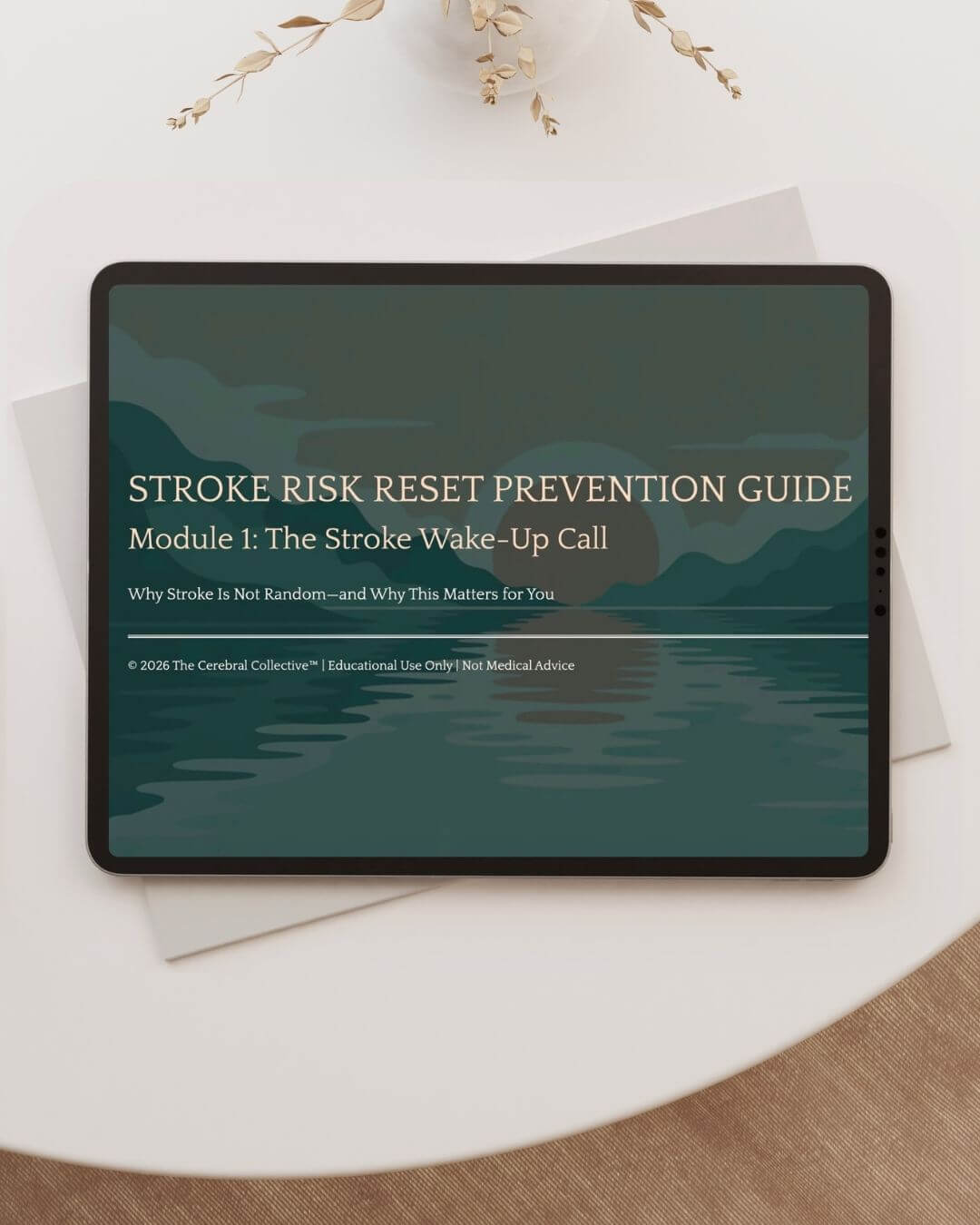
Stroke Risk Reset Guide
The Stroke Wake-Up Call: Why stroke isn't random and what puts you at risk
Your Personal Risk Profile: A quick self-assessment to identify your top risk drivers
Early Warning Signs: Recognize the patterns doctors look for—before symptoms appear
Clear Next Steps: Know exactly what to discuss with your doctor
No spam. Educational only. Takes under 10 minutes.
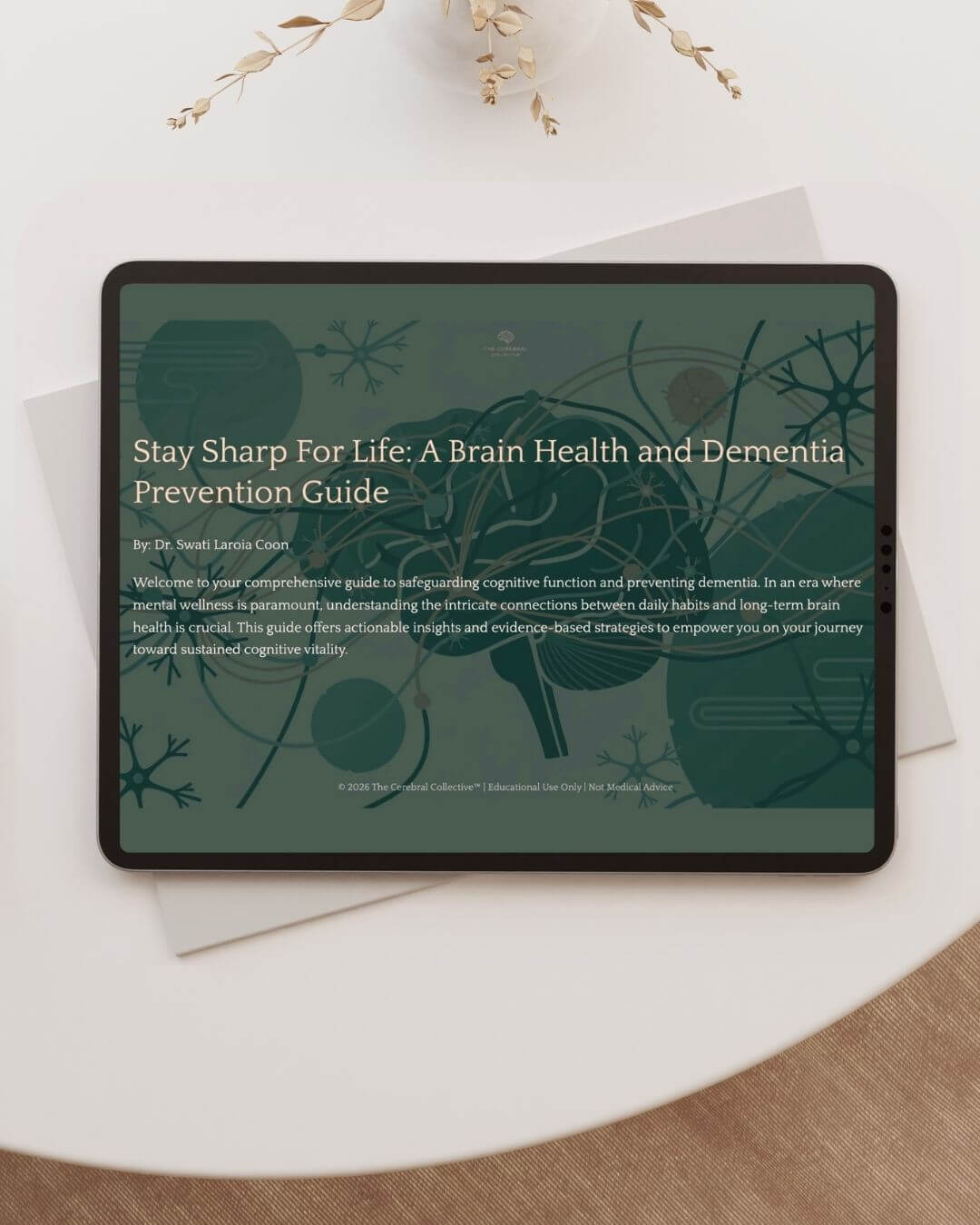
Stay Sharp For Life Guide
Daily Brain Protection: Simple habits that compound over time
Cognitive Fitness: Evidence-based strategies to stay sharp
Lifestyle Optimization: Nutrition, sleep, and movement for brain health
Your Action Plan: A clear roadmap you can start today
No spam. Educational only. Takes under 10 minutes.
Stroke Risk Reset Guide
The Stroke Wake-Up Call: Why stroke isn't random and what puts you at risk
Your Personal Risk Profile: A quick self-assessment to identify your top risk drivers
Early Warning Signs: Recognize the patterns doctors look for—before symptoms appear
Clear Next Steps: Know exactly what to discuss with your doctor
No spam. Educational only. Takes under 10 minutes.
Stay Sharp For Life Guide
Daily Brain Protection: Simple habits that compound over time
Cognitive Fitness: Evidence-based strategies to stay sharp
Lifestyle Optimization: Nutrition, sleep, and movement for brain health
Your Action Plan: A clear roadmap you can start today
No spam. Educational only. Takes under 10 minutes.
Frequently Asked Questions
Is this a substitute for medical advice?
No. The Cerebral Collective provides educational resources only. Always consult your physician or qualified healthcare provider for medical advice, diagnosis, or treatment.
Who is The Cerebral Collective for?
Accomplished adults who want to take proactive control of their brain health — before symptoms appear. If you're thinking about cognitive longevity, you're in the right place.
What's included in the free guides?
Evidence-based frameworks translated into clear, actionable steps. No medical jargon, no overwhelm. Each guide takes under 10 minutes to read.
What if I've already had a stroke or cognitive concerns?
Our resources are still valuable for understanding risk and prevention. However, if you've had a stroke or TIA, you should be under the care of a neurologist who can provide personalized medical management. Need more help - Book a 1 on 1 consultation with Dr. Swati Laroia Coon using the link below.
Ready for Personalized Help?
The free guides give you a starting point. When you're ready to go deeper, work with Dr. Swati
directly through one of two paths
1:1 CONSULTATION
Brain Health Deep Dive Consultation
90-minute one-on-one session
For when you want personalized guidance without committing to the full protocol. Walk away with a clear sense of where you stand and what to do about it.
Personalized review of your brain health risk factors
Direct one-on-one with Dr. Swati Laroia Coon
Action plan you can start immediately
Best for stroke risk, cognitive concerns, or general brain health questions
COMPREHENSIVE PROGRAM
12-Week Migraine Reset Protocol
For migraine sufferers ready to end the cycle. A complete program with personalized coaching, kickoff, and ongoing protocol refinement.
90-minute Kickoff Session to map your personalized protocol
Customized 12-week roadmap built around your migraine pattern
Direct access to Dr. Swati throughout the program
For people with chronic, recurring, or treatment-resistant migraines
Why This Matters
80% of Strokes Are Preventable
Yet most people don't know their risk factors until it's too late. Early awareness is your best defense.
Every 40 Sec, Someone Has A Stroke
Stroke is the 5th leading cause of death in the U.S.—but it doesn't have to be. Knowledge is protection.
Stay Informed. Stay Sharp
Science-backed brain health insights delivered straight to your inbox. No spam, no jargon — just strategies you can use.


This content is for educational purposes only and does not constitute medical advice. Always consult your physician regarding your individual health. Dr. Swati Laroia Coon is licensed to practice medicine in specific jurisdictions. Content shared through The Cerebral Collective does not establish a doctor-patient relationship.